Leadership
Vs Management – Use in Different Context
The
terms Leadership & Management are not similar concepts though it looks so.
The use of Leadership & Management in different context will be discussed
under this blog.
What
is Leadership?
In
simple terms, leadership is a skill to motivate & influence people to
achieve a common goal.
According
to Lynch (2009), Leadership is the art of process of influencing people so that
they will strive willingly and enthusiastically towards the achievement of the
organizations purpose.
Leadership
is concerned with setting directions, influencing people, implementing
innovative ideas.
Great
leaders create a vision & successfully get others to work towards it.
What
is Management?
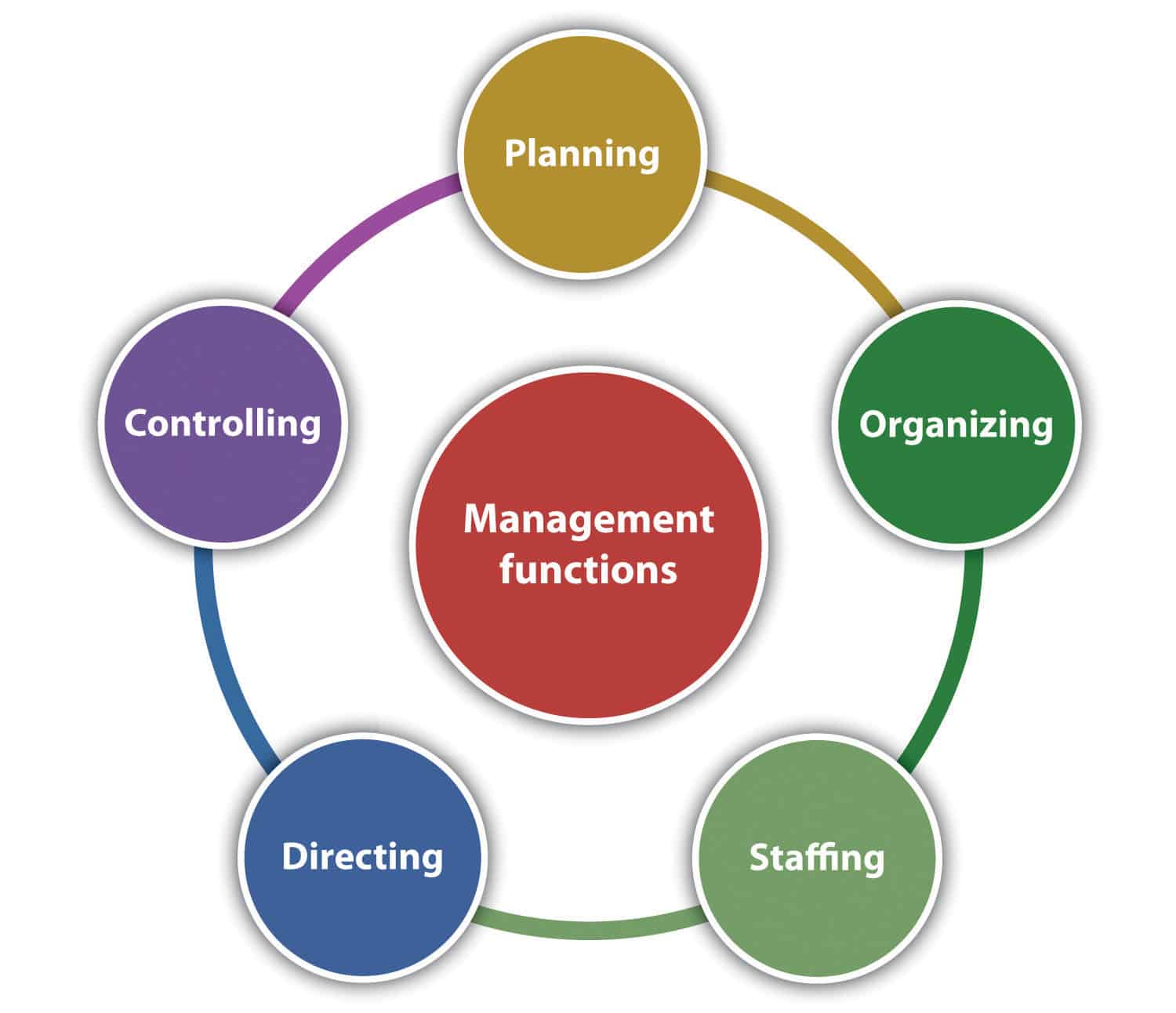
Management
in simple terms explains about planning, organizing, leading and controlling the
efforts of organization members while using all the resources to achieve the
organizational goal.
Management
is more concerned with routine & control.
Comparison
of Leadership Vs Management
Basis
|
Manager
|
Leader
|
Origin
|
A person becomes a
manager by virtue of his position.
|
A person becomes a
leader on basis of his personal qualities.
|
Formal Rights
|
Manager has got
formal rights in an organization because of his status.
|
Rights are not
available to a leader.
|
Followers
|
The subordinates are
the followers of managers.
|
The group of
employees whom the leaders leads are his followers.
|
Functions
|
A manager performs
all five functions of management.
|
Leader influences
people to work willingly for group objectives.
|
Necessity
|
A manager is very
essential to a concern.
|
A leader is required
to create cordial relation between person working in and for organization.
|
Stability
|
It is more stable.
|
Leadership is
temporary.
|
Mutual Relationship
|
All managers are
leaders.
|
All leaders are not
managers.
|
Accountability
|
Manager is accountable
for self and subordinates behaviour and performance.
|
Leaders have no well
defined accountability.
|
Concern
|
A manager’s concern
is organizational goals.
|
A leader’s concern
is group goals and member’s satisfaction.
|
Followers
|
People follow
manager by virtue of job description.
|
People follow them
on voluntary basis.
|
Role continuation
|
A manager can
continue in office till he performs his duties satisfactorily in congruence
with organizational goals.
|
A leader can
maintain his position only through day to day wishes of followers.
|
Sanctions
|
Manager has command
over allocation and distribution of sanctions.
|
A leader has command
over different sanctions and related task records. These sanctions are
essentially of informal nature.
|
Use
of Leadership & Management
Leaders
& Managers are quite different roles when it comes to functionality of a
business. Without a good leadership, companies will go through a hard time in
terms of competitive advantages since there are no new ideas or change will
happen. If the company continue with the same old strategy without coming up
with new ideas, success of the organization will be decreased.
At
the same time, without a good management an organization can face many
financial & human resource problems which will direct the business to a
disaster in a very short period of time.
Therefore,
it is necessary to have both leaders & managers in an organization to drive
it in the path of success. Also, there are possibilities to have only one
person who can carry the role of a leader & a manager by him/herself. It is
proven that most of the organizations are benefited by having only one person
who can work with both capacities.
References
Lynch, R. (2009) Strategic Management. 5th edn. FT
Pentice Hall.
Juneja, P. (no date) Leader versus Manager. Available
at: https://www.managementstudyguide.com/leader_versus_manager.htm.
Why you need both leaders and managers (2019) Spectrum
Business. Available at: https://spectrumbusinessinsights.com/management/why-you-need-both-leaders-and-managers-in-your-business/.
Kukreja, S. (2019) Functions of Management, Management
Study HQ. Available at: https://www.managementstudyhq.com/functions-of-management.html.
